Scale AI Coding Safely

AI amplifies defects in unhealthy code
Our peer-reviewed, large-scale research shows defect risk increases by at least 60% when AI works on unhealthy code.
Velocity gains disappear within months
Research shows initial AI velocity gains are cancelled out within months due to rising code complexity.
AI performs worst in legacy code
AI accelerates output but lacks structural context, amplifying defect risk in unhealthy systems.
Technical debt is compounding
75% of tech leaders will face critical technical debt by 2026. AI acceleration without quality control compounds that risk.


.jpeg?length=1920&name=HomePage%20Backround%201%20(1).jpeg)
Get AI speed, without the risk

Assess AI risk
The CodeHealth™ analysis identifies the code ready for AI acceleration versus parts of the code that are not-yet AI-ready.
Safeguard AI-generated code
Integrate the CodeHealth™ MCP to safeguard any AI-generated code to ensure it stays AI-friendly. Automatically fix new issues.
Make unhealthy code AI-ready
Use the MCP server to first uplift unhealthy code and make it AI-ready, and safely expand AI utilization across the codebase.
Code Health determines
AI performance


How does it work?
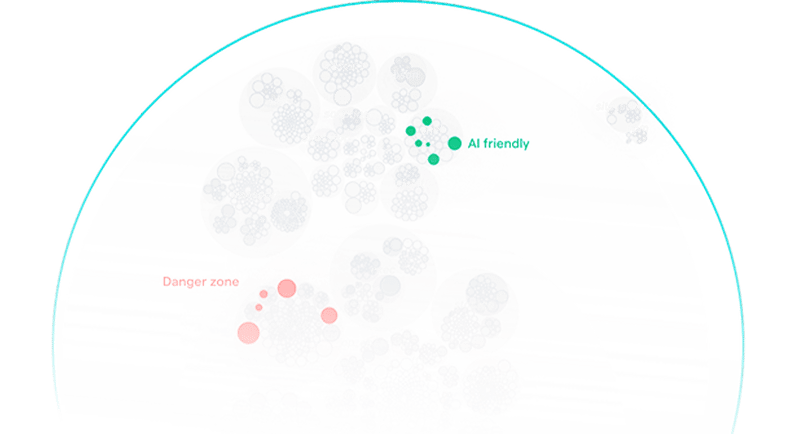
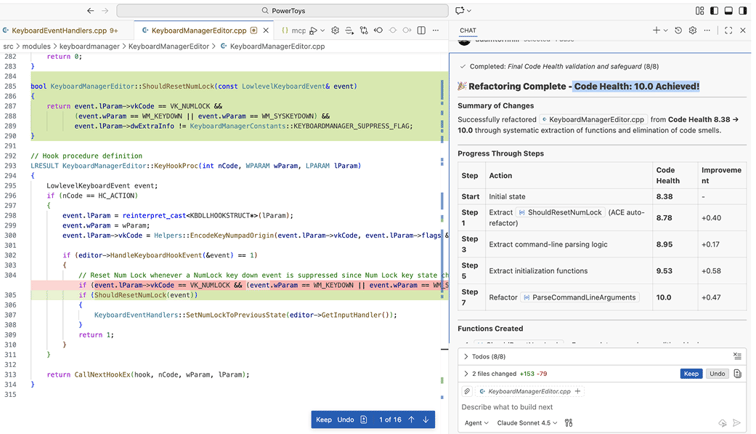
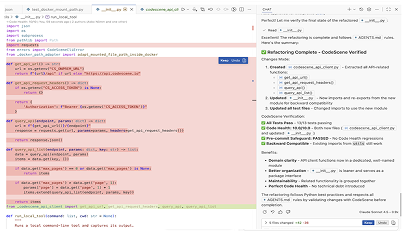
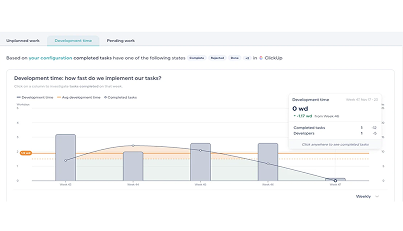
Where will AI Increase Defect Risk?
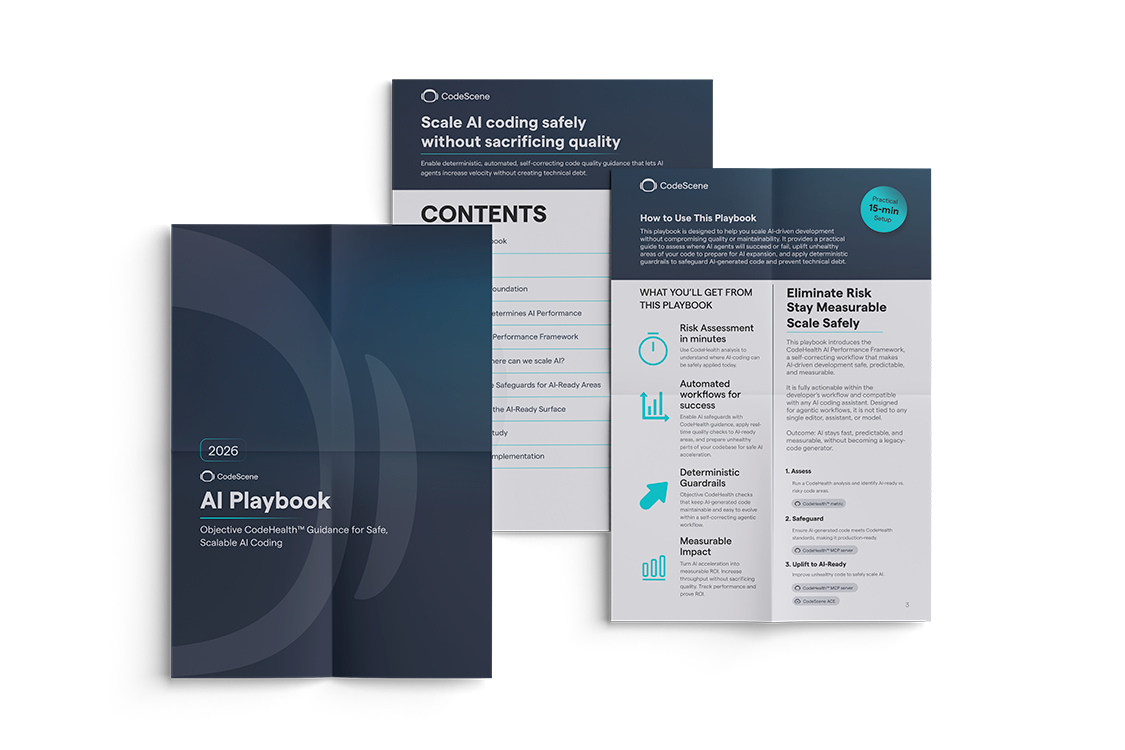
Get the AI Playbook to understand where AI will fail and how to safely apply and scale AI coding in your team.

Additional power features and safeguards
Enforce code coverage on new and changed code
CodeScene comes with code coverage gates. Use them as an additional safety-net for your engineering team in Pull and Merge Requests.
Automated CodeHealth™ reviews in Pull Requests
CodeScene's Pull and Merge Request integration adds an extra safeguard to ensure no new technical debt slips through the cracks.
CodeHealth™ Feedback in the IDE
Shift left on code quality with real-time CodeHealth™ guidance in the editor, enforcing quality gates locally.
Software Portfolio Overview
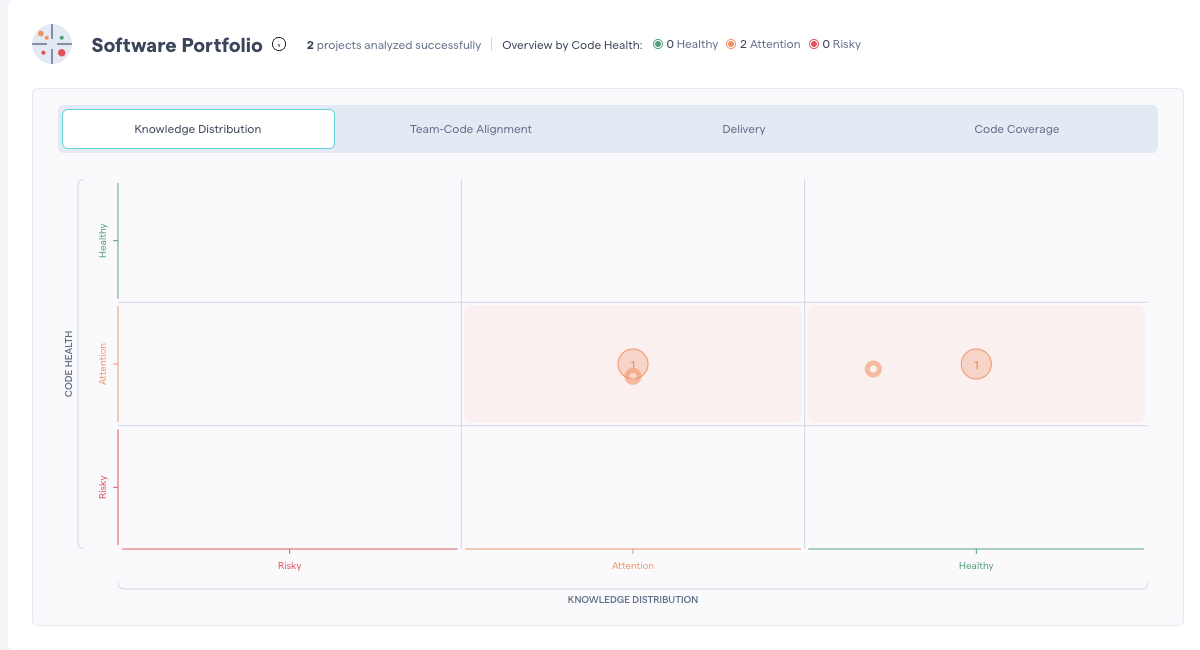

Translate Code Health scores into business value
(Dev Impact (%): Speed & Defect Count)
(Low scores lead to longer dev time)
AI coding assistants & IDEs
 GitHub Copilot
 Cursor
 ChatGPT
 Codeium
 Windsurf
 Claude Code
 JetBrains
 Visual Studio Code
 Visual Studio

George Malamidis

From 0 to 50% agent-assisted code within five months while increasing throughput and maintaining high code quality.